
KATCHATHEEVU ISSUE: A STRATEGIC AND DIPLOMATIC PERSPECTIVE FOR POLICYMAKERS
- President Nila
- Mar 25, 2025
- 4 min read

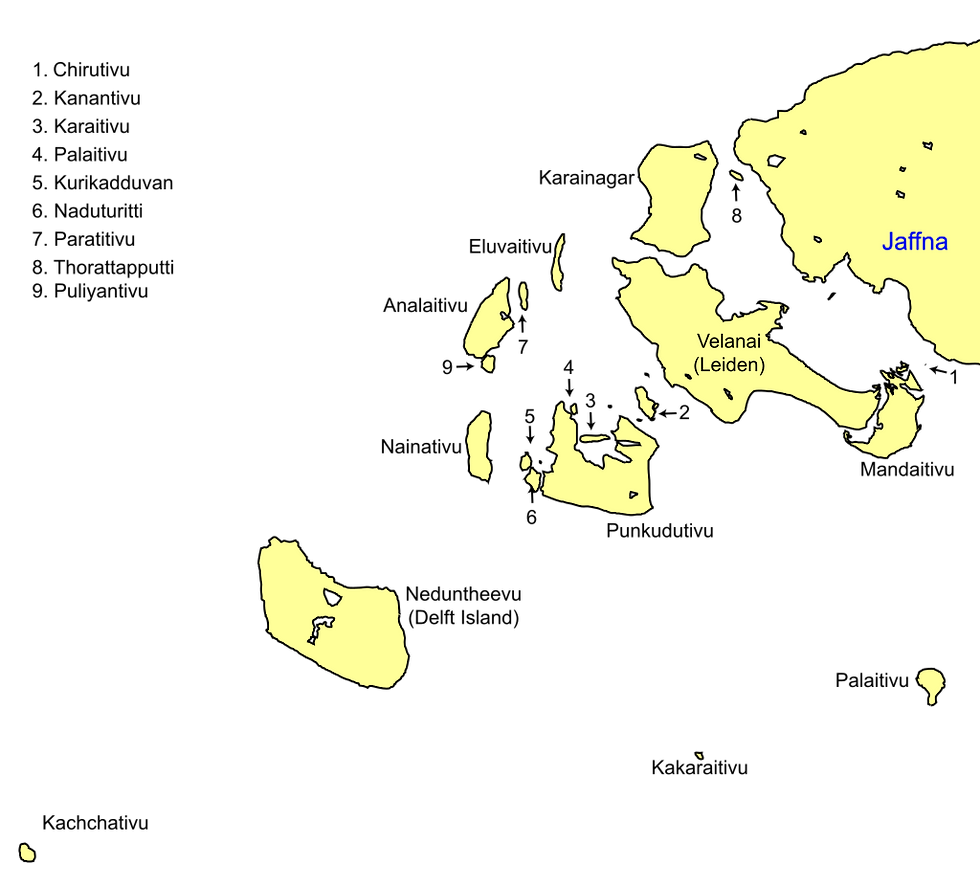
The Katchatheevu issue, which gained prominence during the 2024 Indian General Elections, concerns a strategically significant cluster of islands in the Palk Strait, located between India and Sri Lanka. While geographically small, this dispute has profound historical, cultural, and geopolitical implications, demanding serious consideration from Indian policymakers and international stakeholders.
India's approach to the Katchatheevu issue must balance sovereignty concerns, regional security, and the aspirations of the Eelam Tamil community. Given Sri Lanka’s shifting geopolitical alignments and China’s growing presence in the region, a well-calibrated diplomatic strategy is imperative.
Geopolitical Context and Sovereignty Considerations
The Katchatheevu issue is part of a broader territorial and sovereignty dispute between India and Sri Lanka. Despite India’s historically neutral stance, the region's strategic control and territorial integrity remain sensitive concerns.
For Eelam Tamils, the Katchatheevu cluster—administratively under Sri Lanka’s Jaffna District—is more than a territorial issue. It represents self-determination, cultural identity, and autonomy.
Thus, India's response must consider both:
Diplomatic Relations with Sri Lanka – India must maintain stability while addressing Tamil concerns.
Engagement with the Tamil Diaspora – A nuanced strategy is needed to ensure long-term regional peace.
The Palk Strait is vital for India’s maritime security. Given increasing Chinese investments in Sri Lanka—such as the Hambantota Port—India must be proactive in shaping policies that safeguard its regional influence while ensuring the Tamil community's concerns are not marginalized.
The Religious and Cultural Dimensions of the Tamil Struggle
The Tamil Eelam movement is deeply intertwined with religion, culture, and nationalism. For many Eelam Tamils, including historic leaders like Prabhakaran, Hinduism played a central role in shaping their political resistance.
Key cultural concerns include:
Preservation of Hindu Temples and Institutions – Many Tamil cultural sites have been affected by post-war state policies.
Religious Identity and Resistance – Hindu heritage is integral to Tamil nationalism.
Linguistic and Ethnic Identity – The movement transcends borders, with strong ties to Tamil Nadu and the diaspora.
India, as a multi-religious and pluralistic nation, must recognize these cultural dimensions when framing diplomatic strategies. A deeper engagement with the Tamil diaspora and cultural institutions can help bridge diplomatic gaps while reinforcing India’s commitment to pluralism.

Political and Cultural Nationalism: A Complex Struggle
The Tamil Eelam movement represents both political and cultural nationalism:
o Political Nationalism – A response to the systematic marginalization of Tamils in Sri Lanka.
o Cultural Nationalism – Driven by the desire to preserve Tamil identity, particularly in language and religion.
A major challenge is the growing influence of China in Sri Lanka. Chinese-funded infrastructure projects—such as the Colombo Port City and Hambantota Port—have shifted Sri Lanka’s geopolitical alignment, leaving the Tamil population politically marginalized.
India’s Role in Balancing Power Dynamics
Reaffirming Historical Ties – India must reaffirm its historical connection to the Tamil struggle.
Preventing Further Marginalization – Tamil concerns must not be overshadowed by regional power struggles.
Countering Chinese Influence – Strengthening India’s role in Sri Lanka is essential for long-term strategic interests.
A failure to address Tamil grievances could further alienate the community, leading to potential instability in the region.
India’s Strategic Role in Regional Security
India plays a pivotal role in ensuring regional stability and security in the Indian Ocean region. The Eelam Tamil community is strategically positioned along the Palk Strait, making their role crucial in:
Maritime Security – Preventing illegal maritime activities and ensuring safe navigation.
Counterterrorism – Addressing historical grievances to prevent resurgence of armed conflict.
Diplomatic Leverage – Engaging Tamil representatives to create a balanced security framework.
India’s engagement with Tamil stakeholders should be strategically nuanced. While the LTTE’s military strategies remain controversial, India must acknowledge that these tactics emerged from deep-rooted political grievances that remain unresolved.
A well-structured diplomatic approach can ensure that Tamil concerns are addressed without undermining regional stability.
Diplomatic Engagement: Balancing Historical Grievances and Security Concerns
India’s strategy for the Katchatheevu issue must address three critical factors:
Addressing Tamil Grievances without Destabilizing the Region
Ensuring Tamil voices are heard at international forums.
Supporting reconciliation efforts within Sri Lanka.
Recognizing historical injustices while promoting peacebuilding.
Preventing Further Geopolitical Realignments
Ensuring Sri Lanka does not tilt entirely towards China.
Strengthening India’s economic and diplomatic engagement in the region.
Engaging the Tamil Diaspora and UK-Based Organizations
Engaging Tamil diaspora groups such as TGTE, TCC, Small Drops, and UK-based Eelam Tamil organizations.
Supporting NGOs like Small Drops, which play a vital role in humanitarian aid, advocacy, and cultural preservation.
Encouraging international awareness of Tamil concerns.
By integrating these factors into its foreign policy strategy, India can maintain its leadership role while ensuring Tamil aspirations are not ignored.
The Role of Maritime Security: Lessons from the LTTE Legacy
A historically overlooked aspect of the Tamil Eelam struggle is its influence on maritime security.
During the LTTE’s dominance, the organization effectively:
Ø Controlled key maritime zones, preventing piracy and trafficking.
Ø Protected Indian fishermen, reducing maritime conflicts.
Ø Managed security threats in the Palk Strait, ensuring stable trade routes.
Although the LTTE’s military strategies remain controversial, their role in securing maritime spaces highlights an important lesson: regional stability requires localized engagement.
India must ensure that its maritime policies recognize the strategic value of Tamil communities along its southern borders.

Conclusion: A Comprehensive Diplomatic Strategy
While Katchatheevu may appear geographically minor, it symbolizes the larger Tamil Eelam struggle—incorporating political, cultural, and religious dimensions.
India’s policy should be guided by:
✅ Recognizing Tamil Aspirations – Engaging Tamil communities and diaspora groups.
✅ Balancing Geopolitical Pressures – Managing Sri Lanka’s ties with China.
✅ Securing India’s Regional Influence – Ensuring maritime security and economic stability.
A balanced diplomatic strategy—rooted in historical awareness, strategic engagement, and cultural sensitivity—will help India maintain leadership in the Indian Ocean while fostering peace and stability in South Asia.
Nila
18:30
24/Mar/2025
United Kingdom


Comments